The Different Kinds of Insurance Out There
Beyond Car & Home: The Ultimate List of Insurance Types You May Be Overlooking (2025 Edition)
You have insurance for your car. You likely have it for your house or apartment. But what about your digital identity? What about your pet’s sudden surgery, or the income you’d lose if you couldn’t work for six months?
In my years of analyzing financial portfolios, the biggest mistake I see isn’t people buying the wrong insurance—it’s assuming the “standard” package they bought five years ago still covers their modern life. The world has shifted. We work from home, we live online, and healthcare costs are spiraling.
In 2024, the “standard” coverage is no longer enough. The financial landscape has evolved, and your safety net needs to evolve with it.
This isn’t just a list; it’s a tiered guide to the types of insurance policies that actually matter in 2025. We’ll move from the essentials you can’t ignore to the smart asset protections, and finally, the niche coverages that are saving modern families thousands of dollars.
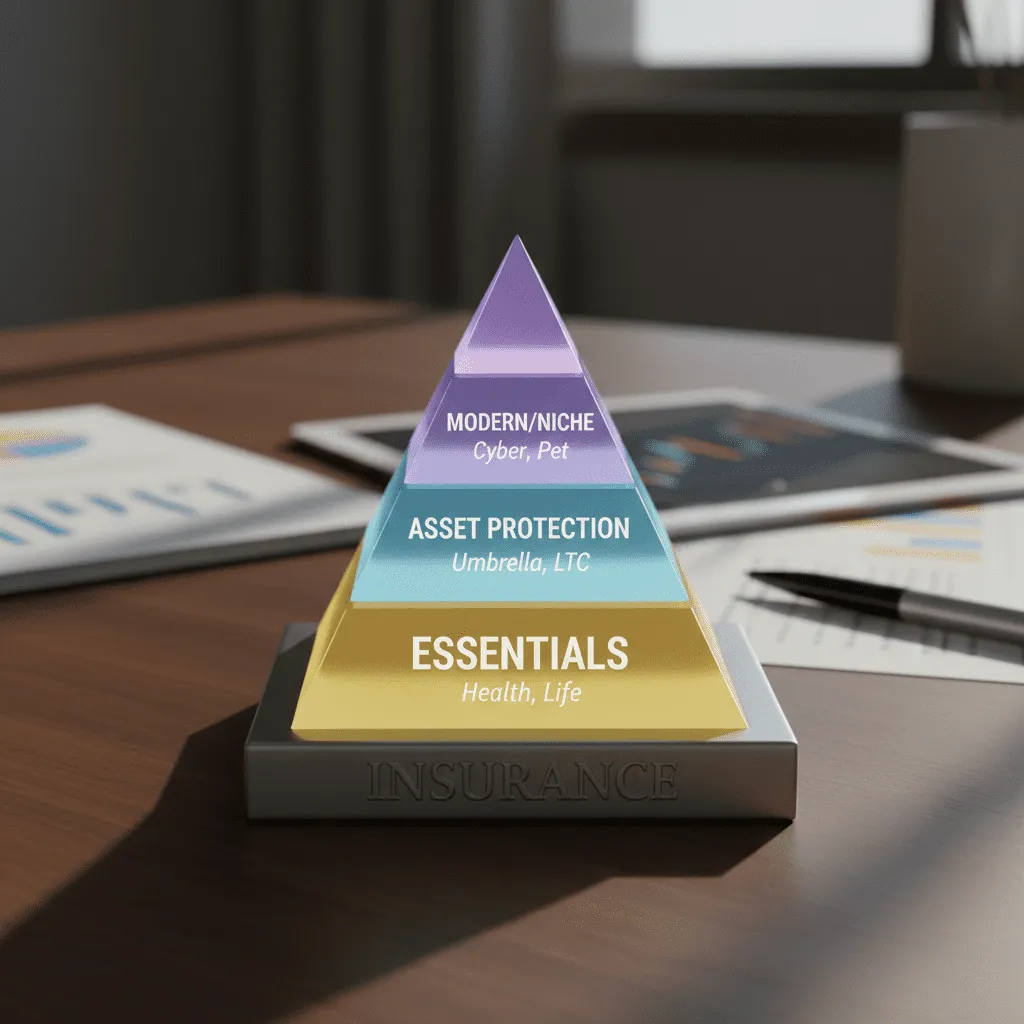
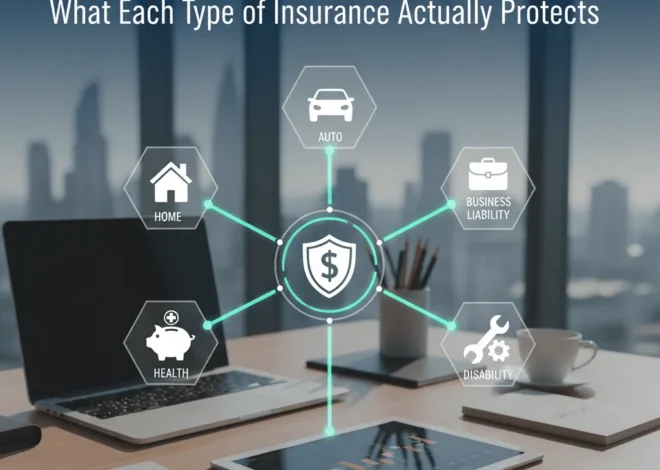
The “Big Five”: Essential Coverage Foundations
Before we get into the specialized coverages, we need to address the foundation. These are the non-negotiables. If you’re missing one of these, you aren’t just taking a risk—you’re gambling with your financial future.
1. Health Insurance (With a Focus on HSAs)
Most of us understand the need for health insurance, but the strategy has changed. With premiums rising, High Deductible Health Plans (HDHPs) paired with Health Savings Accounts (HSAs) have become the primary vehicle for savvy savers. It’s not just about covering the doctor’s visit; it’s about tax-advantaged saving for future medical costs.
2. Life Insurance: The Great “Need Gap”
If anyone depends on your income—spouse, children, or aging parents—life insurance is mandatory. Yet, there is a massive disconnect between what people know they need and what they actually buy.
According to LIMRA’s 2024 Insurance Barometer Study, a record 42% of Americans (102 million people) say they need life insurance or more of it, yet only 52% have any coverage at all.
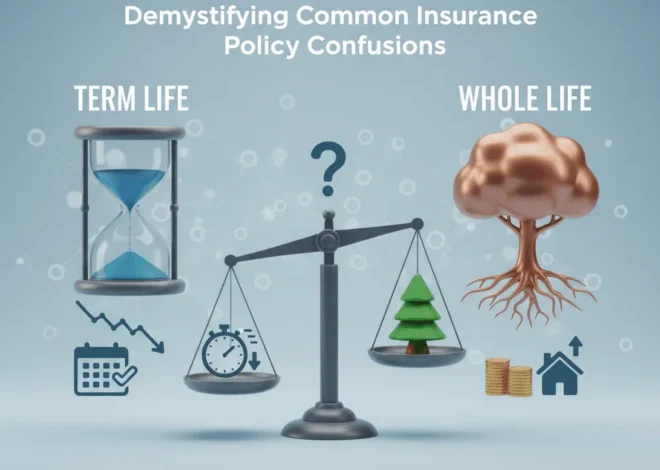
Pro Tip: Term life insurance remains the most cost-effective solution for 90% of families. Avoid getting sold on complex whole life policies unless you have a specific estate planning need.
3. Disability Insurance: The Forgotten Paycheck Protection
Here is the question I always ask: “If your paycheck stopped tomorrow because you broke your back, how long could you pay your mortgage?”
Disability insurance replaces a portion of your income if you are unable to work. While many employers offer short-term coverage, long-term disability is often overlooked. Statistically, you are far more likely to experience a disability during your working years than you are to die prematurely, making this arguably more critical than life insurance for single professionals.
4. Auto & Home (Looking Beyond the Basics)
You likely have these, but do you have the right add-ons? Standard policies often exclude the very things that are becoming more common, such as flood damage or the difference between your car’s value and your loan balance.
- Gap Insurance: Essential for new cars where depreciation hits instantly.
- Flood Insurance: Homeowners insurance rarely covers flood damage. With weather patterns shifting, this is becoming a “must-have” even outside traditional high-risk zones.
The “Safety Net” Layer: Protecting Your Assets
Once you have the basics, you need to protect the wealth you’re building. This is where the rich stay rich—by insulating themselves from catastrophic loss.
5. Umbrella Insurance: Why $1 Million is the New Minimum
We used to think of Umbrella Insurance as something only for the ultra-wealthy. That’s no longer the case. In a litigious society, a single car accident involving a high-earner or a serious injury on your property can exceed the $300,000 limit of a standard homeowners policy in a heartbeat.
Umbrella insurance kicks in when your primary liability limits are exhausted. It is surprisingly affordable, often costing $200-$300 a year for $1 million in coverage.
6. Renters Insurance: Debunking the Landlord Myth
If you rent, listen closely. There is a pervasive myth that your landlord’s insurance covers your stuff. It does not. Their insurance covers the building; yours covers your laptop, clothes, and furniture.
Data from Insuranceopedia / SafeHome’s 2024 report indicates that while 55% of renters now carry insurance, a staggering 57% still incorrectly believe their landlord is responsible for personal property damage or theft.
Renters insurance also provides liability coverage. If your dog bites a neighbor, or you accidentally flood the apartment downstairs, this policy saves you from bankruptcy.
7. Long-Term Care (LTC): The Rising Cost of Aging
This is the hardest conversation to have, but the numbers don’t lie. Medicare does not cover long-term custodial care. If you or a parent needs a nursing home, the costs are now astronomical.
According to the Genworth/CareScout Cost of Care Survey 2024 (released March 2025), the annual median cost of a private room in a nursing home jumped to $127,750. Even assisted living costs rose 10% to over $70,800 annually.
Without LTC insurance, these costs can drain a retirement savings account in less than two years. Buying a policy in your 50s is the sweet spot for affordability.

Modern Life & Digital Protections (High Growth Area)
Here is where 2025 looks very different from 2015. Our risks have moved from the physical world to the digital one.
8. Cyber & Identity Theft Insurance
We live our lives online. We bank, shop, and work in the cloud. Hackers know this. While credit card companies refund fraudulent charges, they don’t help you restore your identity, recover legal fees, or recoup lost wages while you fight to clear your name.
According to Market Research Future (MRFR), the global Identity Theft Insurance market is valued at $6.8 billion in 2024. Furthermore, Munich Re’s 2025 projection estimates the global cyber insurance market at $15.3 billion, yet notes this is less than 1% of premiums, highlighting massive under-insurance.
Is it worth it? For a few dollars a month, these policies provide restoration services that can save you hundreds of hours of nightmare administration.
9. Gig Economy & Freelancer Insurance
If you drive for Uber, sell on Etsy, or do freelance graphic design, your personal auto and home policies likely exclude “business activities.” If you crash your car while delivering food, your personal insurer can deny the claim.
The gig economy is exploding—Dataintelo’s 2024 research values the Gig Economy Insurance market at $9.6 billion. Carriers now offer hybrid policies that bridge the gap between personal and commercial usage. If you side-hustle, you need this.
Lifestyle & Niche Coverage: The “Peace of Mind” Policies
These are often dismissed as “unnecessary,” but recent data suggests otherwise.
10. Pet Insurance: Not Just for Emergencies
Ten years ago, I might have told you to just put money in a savings account for your dog. Today, with veterinary medicine offering advanced (and expensive) treatments like chemotherapy and MRI scans, self-insuring is risky.
The NAPHIA State of the Industry Report released in April 2024 shows the North American pet insurance sector reached $4.27 billion in total premiums, a 21.9% increase year-over-year.
When a single emergency surgery can cost $8,000, paying $50 a month for coverage is a rational financial decision for many pet owners.
11. Travel Insurance: The Post-Pandemic Shift
Travel insurance used to be about lost luggage. Now, it’s about medical emergencies abroad.
Data from Squaremouth’s Jan 2025 Travel Insurance Trends reveals that paid claims rose 18% in 2024. But here is the shocking shift: for the first time in a decade, emergency medical claims (27%) surpassed cancellation claims. If you are traveling internationally, your domestic health insurance likely stops at the border. You need a dedicated travel medical policy.
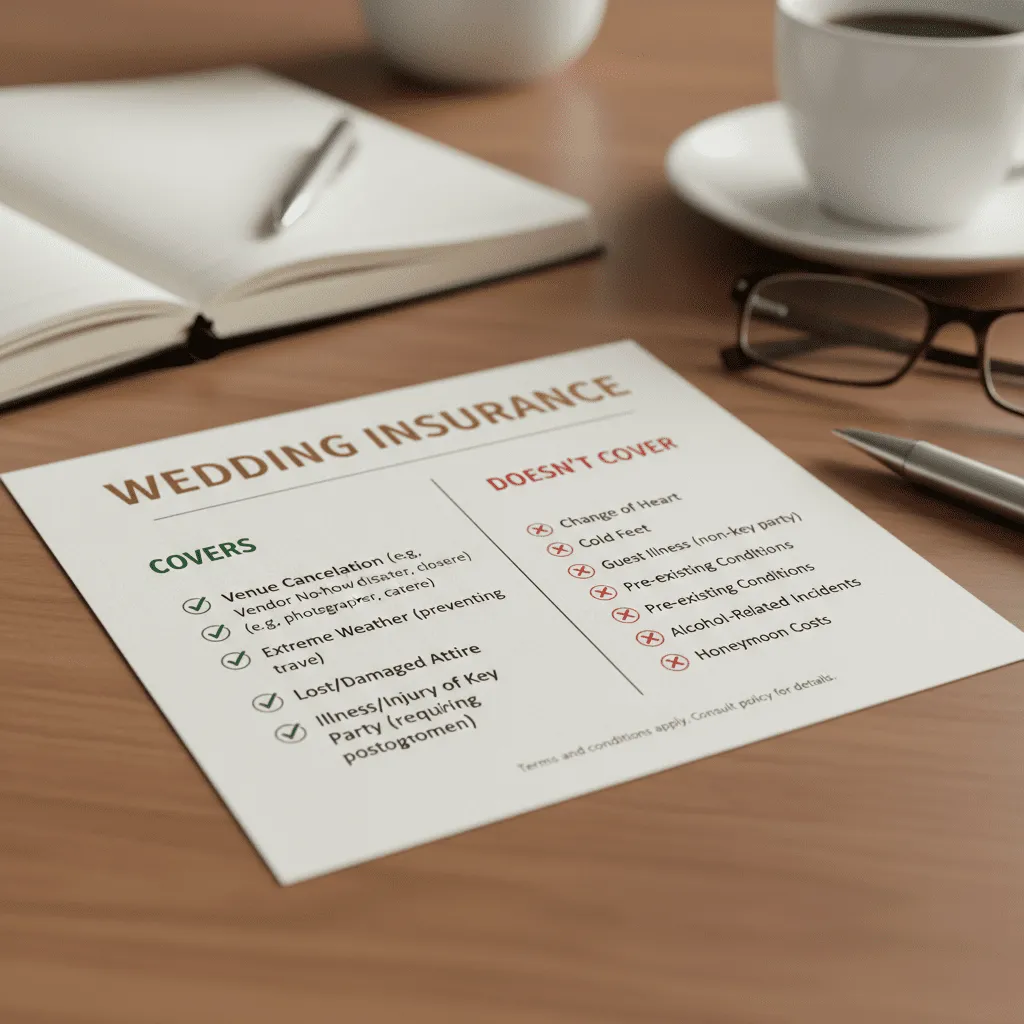
12. Event & Wedding Insurance
Planning a big event involves massive deposits. What happens if the venue burns down or the caterer goes bankrupt a week before the big day?
According to Travelers Insurance 2024 claims data, vendor-related issues (like bankruptcy or no-shows) accounted for 27% of all wedding insurance claims. This coverage protects your deposits against flakey vendors—a very real risk in the current economy.
Legal & Professional Protections
13. Legal Plans
Think of this as health insurance for legal issues. For a monthly fee, you get access to attorneys for things like drafting wills, reviewing contracts, or disputing traffic tickets. It removes the barrier of “lawyers are too expensive” when you need advice.
14. Professional Liability (E&O)
If you provide advice or a service for a living (consultants, real estate agents, accountants), you can be sued for “errors and omissions”—essentially, making a mistake that costs a client money. General liability covers bodily injury; E&O covers financial injury to others caused by your professional negligence.
FAQ: Common Questions About Insurance Portfolios
If you had to strip it down to the absolute bare essentials, the “Big 5” are: Health, Life, Disability, Auto, and Homeowners (or Renters). Everything else builds upon this foundation.
Can I bundle niche insurance with my home policy?
Yes and no. You can often “endorse” (add on) jewelry, art, or even identity theft protection to your homeowners policy. However, distinct risks like Pet Insurance or Travel Insurance are usually standalone policies because they operate very differently from property casualty insurance.
Is supplemental insurance tax-deductible?
Generally, personal insurance premiums (like life or auto) are not tax-deductible. However, business-related premiums (like E&O or liability for freelancers) often are. Long-Term Care premiums may be deductible if they exceed a certain percentage of your adjusted gross income. Always consult a CPA.
Conclusion: Your 2025 Insurance Audit Checklist
Insurance isn’t a “set it and forget it” product. As your life gets more complex, your risks change. Relying on a policy you bought five years ago is a strategy for failure.
I recommend sitting down once a year for an “Insurance Audit.” Ask yourself:
- Has my net worth grown enough to warrant an Umbrella policy?
- Do I have side income that my personal policy doesn’t cover?
- Have I accounted for the rising cost of long-term care for my aging parents?
- Am I relying on my credit card to protect me from identity theft?
The global economy is growing—Swiss Re Institute forecasts 2.7% global GDP growth—and with growth comes new assets to protect. Don’t let a coverage gap be the reason your financial progress stalls.
Ready to secure your financial future?
Start by reviewing your “Big Five” today, then evaluate your need for the specialized protections we discussed.